Marinas are more than places where boats are stored. They are active waterfront environments where vessel owners, visitors, employees, maintenance crews, and delivery personnel come together throughout the day. From recreational boats and luxury yachts to expensive marine equipment, these facilities contain valuable assets that require consistent protection.
For marina owners and operators in Houston, Texas, security challenges extend beyond traditional property protection. Waterfront facilities must consider unauthorized dock access, vessel theft, equipment damage, trespassing, vandalism, and emergencies near the water.
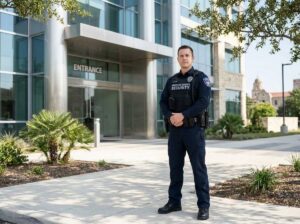
Professional Marina Security Guards can help address these concerns through visible patrols, access monitoring, incident reporting, and coordinated emergency procedures.
Whether managing a private marina, yacht club, boat storage facility, or commercial waterfront property, investing in reliable Marinas Security can help protect valuable assets while maintaining a welcoming environment for boat owners and guests.
Why Marina Security Is Important in Houston, Texas
Houston’s proximity to Galveston Bay and the Gulf Coast makes boating and waterfront activities an important part of the region’s recreational and commercial landscape.
Marinas often operate across extensive properties with docks, parking areas, storage buildings, maintenance facilities, and multiple access points.
Unlike traditional commercial properties, waterfront facilities may be accessible from both land and water.
Common security concerns include:
- Unauthorized access to boats and docks
- Theft of marine equipment
- Vandalism and property damage
- Trespassing after business hours
- Suspicious activity around vessel storage
- Unauthorized vehicle access
- Safety incidents near waterfront areas
- Damage to gates, fencing, or storage facilities
Professional security personnel help marina operators monitor these risks and establish consistent property protection procedures.
1. Marina Security Guards Help Prevent Unauthorized Access
One of the biggest challenges for marina operators is controlling access to docks and restricted areas.
Boat owners, guests, contractors, delivery drivers, and maintenance crews may require access at different times.
Without clear procedures, unauthorized individuals can enter private docks or approach valuable vessels.
Professional Marina Security Guards in Houston can monitor designated entrances, verify visitor authorization, and report suspicious activity.
Security officers may also help enforce established access rules for private slips, maintenance areas, and storage facilities.
Combining trained personnel with electronic gates, access cards, and clear signage creates a more organized security system.
2. Protecting Boats and Valuable Marine Equipment
Boats represent substantial financial investments, and many vessels contain expensive accessories and equipment.
Navigation electronics, fishing equipment, communication devices, engines, and personal belongings may be attractive targets for theft.
Security guards can help protect these assets by conducting routine patrols and observing activity around docked vessels.
Officers may report damaged locks, unsecured storage areas, unfamiliar individuals, or unusual movement near boats.
Marina operators should also encourage vessel owners to secure removable equipment and avoid leaving valuable belongings unattended.
A combination of professional monitoring and responsible storage practices can reduce opportunities for theft.
3. Regular Dock Patrols Improve Property Monitoring
Marinas often contain long walkways, multiple docks, and sections that cannot be observed from a single location.
Regular patrols allow security personnel to monitor different areas throughout their shifts.
During dock inspections, guards may identify:
- Unauthorized visitors
- Damaged gates or access points
- Suspicious activity near vessels
- Poor lighting
- Unsecured storage facilities
- Obstructed walkways
- Potential safety hazards
Patrol routes should reflect the marina’s layout, operating hours, and identified vulnerabilities.
For waterfront properties, officers should also receive clear instructions about safe movement near docks and water.
4. Preventing Vandalism and Property Damage
Marinas may experience vandalism involving boats, dock structures, storage buildings, parking areas, and shared facilities.
Damage can create expensive repairs and interrupt normal operations.
A visible security presence may discourage individuals from entering restricted areas or damaging property.
Security personnel can also document incidents, identify affected locations, and notify management when repairs or additional precautions are necessary.
Adequate lighting, functioning gates, and surveillance cameras further strengthen vandalism prevention.
Although no security system eliminates every risk, consistent monitoring can help marina operators recognize problems before they become recurring concerns.
5. Monitoring Marina Parking Lots and Vehicle Access
Marina security should extend beyond the docks.
Parking lots, boat trailer storage areas, and vehicle entrances are important parts of waterfront property protection.
These areas may experience activity early in the morning, late at night, or during busy boating weekends.
Security guards can observe vehicle movement, monitor parking areas, and report unauthorized activity.
Additional measures may include controlled vehicle gates, designated trailer parking, improved lighting, and surveillance coverage.
For larger waterfront properties, mobile patrol services may help monitor areas that are separated from the main marina office.
6. After-Hours Security Protects Unattended Vessels
Many marinas experience reduced staffing during nighttime hours.
However, boats and marine equipment may remain on the property around the clock.
This creates a need for security procedures that continue after regular business operations end.
Depending on the marina’s size and risk level, overnight protection may involve dedicated guards, scheduled patrols, surveillance monitoring, or a combination of these measures.
Security officers can check access points, observe dock areas, and report unusual conditions.
An effective after-hours plan should identify emergency contacts, restricted locations, and procedures for responding to alarms or suspicious activity.
7. Security Guards Support Waterfront Safety
Waterfront environments present safety concerns that differ from those of ordinary commercial properties.
Wet surfaces, moving vessels, changing weather conditions, and limited visibility can create hazards.
Security personnel can help identify unsafe conditions and notify marina management.
For example, guards may report damaged dock lighting, obstructed walkways, broken gates, or unauthorized activity near restricted waterfront areas.
However, security guards should not automatically be expected to perform water rescues or specialized marine emergency duties.
Such responsibilities require appropriate training, equipment, and clearly defined procedures.
Professional marina security should emphasize prevention, communication, and coordination with qualified emergency responders.
8. Managing Visitors and Marina Events
Many marinas host social gatherings, boating activities, private celebrations, and seasonal events.
These occasions can increase visitor traffic and create additional security challenges.
Professional guards can assist with entrance monitoring, visitor verification, parking coordination, and observation of common areas.
For yacht clubs and private waterfront communities, security personnel can help enforce guest access policies while maintaining a courteous atmosphere.
Clear communication between event organizers, marina management, and security officers helps prevent confusion.
9. Combining Security Guards With Surveillance Technology
Modern marinas can benefit from surveillance cameras, electronic gates, alarm systems, and access-control technology.
These systems provide valuable monitoring capabilities, but they cannot independently address every situation.
Professional security guards add human observation and decision-making.
For example, cameras may capture unusual activity near a dock, while an officer can assess the situation and notify management or appropriate authorities.
Security personnel can also report equipment malfunctions or damaged access points that require maintenance.
A layered approach combines technology with consistent human monitoring to strengthen overall property protection.
10. Preparing for Severe Weather and Emergencies
Marinas in the Houston region must consider severe thunderstorms, heavy rainfall, high winds, and tropical weather systems.
These conditions can create hazards involving vessels, docks, electrical equipment, and waterfront structures.
Security guards can support established emergency procedures by communicating with management, reporting dangerous conditions, and helping maintain clear access routes.
Marina operators should establish written plans for weather-related closures, evacuation notices, and emergency communications.
Security officers should understand their assigned responsibilities and know when to contact emergency services.
Preparedness is particularly important when a marina contains vessels and equipment that cannot be relocated quickly.
11. Armed vs. Unarmed Marina Security Guards
Not every marina requires armed security personnel.
Unarmed guards can provide effective support through visible patrols, visitor monitoring, incident reporting, and access control.
Armed officers may be considered for properties with elevated, documented security risks.
The appropriate choice depends on the marina’s location, operating hours, previous incidents, property value, and security requirements.
A professional assessment can help determine whether unarmed coverage, armed protection, or a combination of services is appropriate.
Security personnel should always operate within applicable laws and established property procedures.
12. Customized Security Plans for Houston Marinas
Every waterfront property has different security needs.
A small private dock may require occasional patrols, while a large marina with numerous slips and storage facilities may benefit from continuous monitoring.
Marina operators should evaluate:
- Number of docks and boat slips
- Land and waterfront access points
- Parking and trailer storage areas
- Operating hours
- Visitor traffic
- Vessel and equipment values
- Previous security incidents
- Emergency response procedures
Customized security planning helps allocate personnel and resources according to the property’s actual vulnerabilities.
Why Choose American Guard Security?
American Guard Security provides professional security services in Houston, Texas, including armed and unarmed security officers, mobile patrol, and video surveillance support.
The company’s services include visible deterrence, access monitoring, observation, incident reporting, and customized security responsibilities based on individual property requirements.
For marina operators, these capabilities can support dock access monitoring, parking lot patrols, protection of storage facilities, and after-hours property checks.
American Guard Security also offers mobile patrol services designed to monitor extensive properties, inspect entrances, and identify suspicious activity.
Marina owners seeking Marina Security Guards in Houston can discuss their property layout, operating schedule, and specific concerns to determine an appropriate security arrangement.
Final Thoughts
Protecting marinas requires more than securing boats to docks or installing surveillance cameras.
A comprehensive Marinas Security strategy combines professional security guards, controlled access, routine patrols, effective lighting, surveillance technology, and emergency preparedness.
For waterfront properties in Houston, Texas, these measures can help discourage unauthorized activity, protect valuable vessels, and support safer daily operations.
Although no security arrangement can eliminate every risk, professional monitoring provides an important additional layer of protection.
By working with an experienced security provider, marina owners can develop practical security procedures that protect boats, equipment, employees, visitors, and waterfront facilities.
Contact American Guard Security
American Guard Security
Website: https://americanguardssecurity.com/
Phone: (713) 278-9700
Email: info@americanguardssecurity.com
Address: 3535 Briarpark Dr, Suite 218 Houston, TX 77042