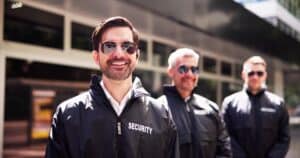
The role of security professionals has changed dramatically over the last decade. Gone are the days when Security Officers were viewed solely as gatekeepers or individuals who monitored entrances and patrolled buildings. Today, they serve as highly trained professionals responsible for protecting people, property, assets, and business operations while supporting customer service, emergency preparedness, and advanced security technologies.
As businesses, schools, healthcare facilities, industrial sites, and residential communities continue to face new security challenges, the expectations placed on security personnel continue to grow. Modern Security Officers Houston and Security Officers Dallas are expected to be proactive problem-solvers who can respond to emergencies, communicate effectively, utilize advanced technology, and create a safe environment for everyone on the property.
For organizations seeking dependable Security Guards in Dallas, TX, understanding how the profession has evolved can help them appreciate the value that trained security officers bring to their operations.
The Traditional Role of Security Officers
Historically, security officers focused primarily on physical security responsibilities such as:
- Monitoring entrances and exits
- Conducting routine patrols
- Preventing unauthorized access
- Observing suspicious activity
- Protecting buildings after business hours
- Reporting incidents
While these responsibilities remain essential, today’s security environment requires much more than observation and reporting.
Modern security officers now play an active role in risk prevention, emergency management, customer relations, and technology-driven security operations. Organizations increasingly expect officers to combine traditional vigilance with broader situational awareness, communication skills, and the ability to work alongside modern security technologies.
Security Officers Have Become Risk Management Professionals
One of the biggest changes in the industry is the shift from reactive security to proactive risk management.
Rather than simply responding after an incident occurs, modern security officers work to identify potential risks before they become serious problems.
This includes:
- Identifying unsafe conditions
- Monitoring unusual behavior
- Reporting maintenance hazards
- Inspecting vulnerable areas
- Recognizing security weaknesses
- Assisting with safety planning
This proactive approach reduces incidents while helping businesses operate more efficiently.
Greater Focus on Customer Service
Today’s Security Officers often serve as the first people visitors encounter when entering a business, office building, residential community, hospital, or educational institution.
As a result, customer service has become an essential part of the profession.
Professional security officers frequently:
- Welcome guests
- Provide directions
- Answer questions
- Assist visitors
- Help employees
- Support tenants and residents
Organizations increasingly expect security professionals to balance safety with positive interactions, making them an important part of the overall visitor experience.
Increased Use of Technology
Technology has transformed nearly every aspect of modern security.
Today’s Security Officers Houston regularly use:
- Digital reporting software
- Mobile patrol applications
- GPS-enabled patrol verification
- Access control systems
- Surveillance monitoring platforms
- Electronic visitor management
- Incident documentation tools
Instead of handwritten reports completed hours after an event, officers can now submit real-time incident reports, attach photographs, verify patrol routes electronically, and communicate instantly with supervisors. Mobile reporting, GPS verification, and digital evidence collection have become increasingly common expectations across the industry.
Stronger Emergency Response Responsibilities
Security officers are often the first professionals to respond when emergencies occur.
These emergencies may include:
- Medical incidents
- Fire alarms
- Workplace accidents
- Suspicious packages
- Severe weather
- Security breaches
- Power outages
Because of this, modern officers receive additional training in emergency response procedures, evacuation assistance, and communication with first responders.
Quick action during emergencies helps minimize disruption and improve overall safety.
Enhanced Communication Skills
Communication has become one of the most valuable skills for today’s security officers.
They regularly communicate with:
- Employees
- Customers
- Residents
- Visitors
- Vendors
- Emergency responders
- Property managers
- Business owners
Clear communication helps prevent misunderstandings, resolve issues quickly, and improve coordination during emergencies.
Professional communication also contributes to a positive customer experience.
Greater Emphasis on Conflict Resolution
Security officers frequently encounter situations involving disagreements or emotionally charged interactions.
Rather than relying solely on authority, today’s officers are trained to:
- De-escalate conflicts
- Remain calm under pressure
- Listen carefully
- Resolve issues professionally
- Protect everyone involved
Effective conflict resolution helps reduce the likelihood of violence while maintaining a safe and respectful environment.
Supporting Workplace Safety
Modern security officers work closely with businesses to improve workplace safety.
Responsibilities may include:
- Reporting hazards
- Monitoring compliance with safety procedures
- Assisting during emergency drills
- Supporting evacuation plans
- Identifying unsafe conditions
Their observations often help organizations prevent accidents before they occur.
Collaboration with Advanced Security Systems
Technology does not replace security officers—it strengthens their effectiveness.
Today’s Security Officers Dallas frequently work alongside:
- AI-assisted surveillance systems
- Access control technology
- Alarm monitoring systems
- License plate recognition
- Video analytics
- Cloud-based reporting platforms
These tools provide valuable information, while trained officers make informed decisions, investigate incidents, and respond appropriately. Organizations are increasingly adopting AI-enabled and cloud-connected physical security solutions to improve threat detection and operational efficiency, while still relying on human expertise for judgment and response.
More Specialized Security Services
Modern security officers often specialize in specific industries.
Examples include:
Corporate Security
Protecting office buildings, employees, visitors, and company assets.
Healthcare Security
Supporting hospitals, clinics, emergency departments, and patient safety.
Educational Security
Providing campus patrols, access control, and student safety.
Industrial Security
Protecting manufacturing facilities, warehouses, and distribution centers.
Construction Security
Monitoring equipment, materials, and job sites after hours.
Event Security
Managing crowds, controlling access, and supporting public safety during special events.
Industry specialization allows officers to better understand the unique challenges associated with each environment.
Data Collection and Reporting
Documentation has become much more detailed than in previous years.
Modern officers create comprehensive reports that include:
- Incident details
- Photographs
- Patrol logs
- Witness statements
- Time-stamped observations
- Digital evidence
Accurate reporting supports insurance claims, internal investigations, compliance requirements, and future security planning.
Adapting to New Threats
Security threats continue to evolve, requiring officers to stay informed and adaptable.
Today’s officers may respond to concerns involving:
- Workplace violence
- Active threats
- Organized retail crime
- Unauthorized access
- Property damage
- Technology-assisted criminal activity
Continuous training helps officers remain prepared for changing risks while maintaining professionalism under pressure.
Why Businesses in Houston and Dallas Need Modern Security Officers
Major metropolitan areas like Houston and Dallas experience constant business growth, increased commercial activity, and expanding residential developments.
Professional Security Officers Houston and Security Officers Dallas provide customized protection for:
- Office buildings
- Healthcare facilities
- Schools
- Warehouses
- Construction sites
- Residential communities
- Retail centers
- Manufacturing facilities
Businesses looking for experienced Security Guards in Dallas, TX benefit from officers who combine traditional security skills with modern technology, strong communication, and proactive risk management.
Why Choose American Guard Security?
American Guard Security provides professional security solutions throughout Texas with highly trained officers who understand the evolving demands of today’s security industry.
Whether clients require on-site security, mobile patrols, event security, access control, or specialized protection, American Guard Security develops customized security programs designed to meet each client’s unique needs.
Their experienced team emphasizes professionalism, customer service, emergency preparedness, and continuous training to deliver dependable protection for businesses, institutions, and communities across Texas.
Final Thoughts
The responsibilities of Security Officers have evolved far beyond traditional patrols and access control. Today’s officers serve as safety professionals, customer service representatives, emergency responders, technology users, and proactive risk managers.
As organizations continue to adopt advanced security systems and face increasingly complex challenges, the need for skilled Security Officers Houston, Security Officers Dallas, and experienced Security Guards in Dallas, TX will continue to grow.
Choosing a professional security partner ensures that your organization benefits from trained officers who understand both traditional security principles and the modern tools needed to create safer environments. By combining experience, technology, and exceptional service, today’s security officers help businesses protect what matters most while supporting efficient daily operations.